
Understanding Kennel Stress
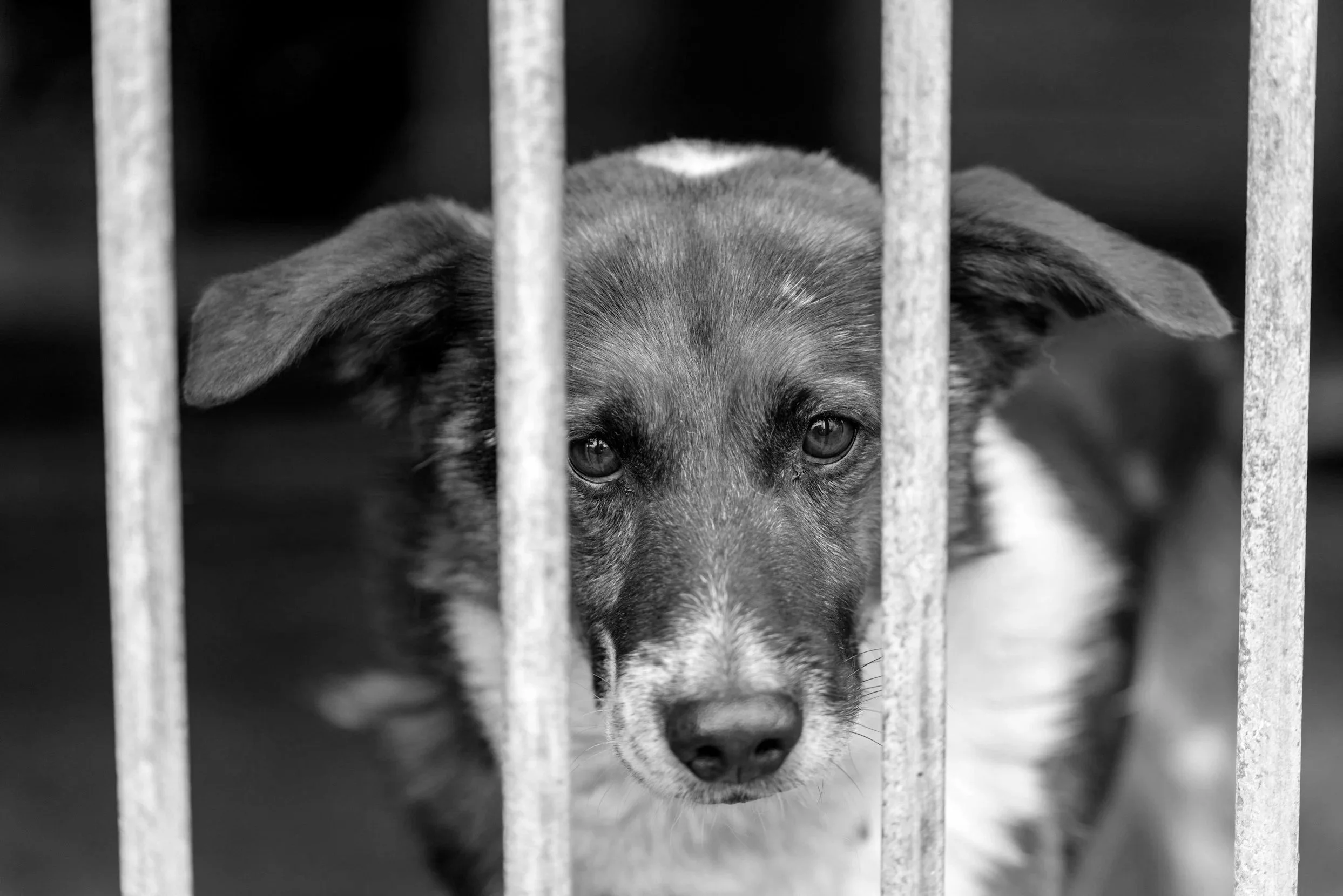
A shelter kennel is not a neutral environment for a dog.
For many animals, it is one of the most psychologically stressful experiences of their lives.
Even good, social, well-loved pets can begin to deteriorate emotionally and behaviorally after entering a shelter environment. Fear, overstimulation, confinement, loss of routine, isolation, and chronic stress can fundamentally change how a dog behaves, reacts, and interacts with people.
This is known as kennel stress.
At The Unsheltered Project, we believe understanding kennel stress is essential if we want to reduce unnecessary euthanasia, improve animal welfare, and keep pets out of shelters whenever possible.
What Is Kennel Stress?
Kennel stress refers to the physical and psychological effects that prolonged shelter confinement can have on animals.
Most shelters are:
loud
overcrowded
unpredictable
overstimulating
restrictive
emotionally exhausting
Dogs suddenly lose:
their home
familiar people
routines
smells
comfort
sleep quality
autonomy
emotional security
For animals who do not understand why they have been abandoned or confined, the experience can be deeply distressing.
Some dogs adapt better than others.
Many do not.
How Kennel Stress Changes Behavior
One of the most misunderstood realities of sheltering is that kennel behavior often does not reflect who a dog truly is outside the shelter environment.
A dog who was once:
social
affectionate
relaxed
playful
trainable
tolerant
may begin displaying:
pacing
barking
jumping
spinning
withdrawal
shutdown
fearfulness
barrier reactivity
growling
snapping
obsessive behaviors
This does not always mean the dog is dangerous.
It often means the dog is overwhelmed.
Many stress behaviors are survival responses to chronic fear, overstimulation, lack of decompression, or emotional deterioration.
Common Signs of Kennel Stress
Kennel stress can look different in every animal, but common signs include:
nonstop barking
pacing or circling
inability to settle
panting
trembling
refusal to eat
diarrhea
repetitive behaviors
self-harm or overgrooming
withdrawal
avoiding eye contact
hypervigilance
lunging at kennel doors
barrier frustration
fear-based aggression
Some dogs become louder and more reactive.
Others emotionally shut down completely.
Both are signs of distress.
The Problem With Behavior Assessments in Shelters
Many shelters are forced to make rapid behavioral decisions in highly stressful environments.
But evaluating a dog’s long-term temperament inside a kennel can be deeply complicated.
A fearful or overwhelmed dog may:
growl to create space
react defensively
become overstimulated
fail evaluations
appear unpredictable
Yet that same dog may behave very differently after decompression in a stable home environment.
This does not mean every dog is safe in every situation.
But it does mean kennel environments can distort behavior in ways the public often does not understand.
Why Long-Term Kenneling Is So Harmful
Dogs are social, routine-oriented animals.
Many shelters are operating beyond capacity, leaving animals confined for:
weeks
months
sometimes years
Long-term kennel confinement can contribute to:
chronic stress
emotional deterioration
worsening behavioral issues
declining adoptability
immune suppression
learned helplessness
fear-based reactivity
The longer animals remain in high-stress environments, the harder it may become for them to emotionally regulate.
This is one reason prevention matters so deeply.
Shelter Staff and Volunteers Are Often Overwhelmed Too
Understanding kennel stress is not about blaming shelter workers or volunteers.
Most are doing emotionally exhausting work inside systems that are overcrowded, underfunded, understaffed, and overwhelmed.
Many care deeply about animals and experience significant emotional trauma themselves.
But even compassionate people cannot fully eliminate the psychological effects of chronic confinement and overcrowding.
The issue is systemic.
Why Prevention Matters
The best way to reduce kennel stress is to prevent unnecessary shelter intake in the first place.
That means:
supporting pet owners earlier
providing behavioral resources
expanding temporary foster options
increasing housing support
reducing crisis-driven surrenders
improving community education
creating alternatives before shelters become involved
Once an animal enters the shelter system, the outcome becomes less predictable.
Keeping pets out of shelters whenever safely possible is one of the most humane forms of animal welfare.
What the Public Needs to Understand
A dog growling in a kennel may not be a “bad dog.”
A dog barking nonstop may not be aggressive.
A dog shutting down in the corner may not be unadoptable.
Many animals are simply overwhelmed by an environment they were never psychologically designed to endure.
Kennel stress changes animals.
And the more we understand that reality, the more urgently we can work toward prevention, intervention, foster support, and humane alternatives before surrender happens.
Because shelters should be the last resort — not the first option.